- Obtained
insurance for the drivers paying $1,000.00 for medical
bills or $1,000.00 life insurance. Prior to that,
collections were taken and or BMARA money was used to
help those injured or who died.
- Implemented
awarding trophies for the Point Standing Champion, later
adding additional trophies for the top five positions and
beyond. (In previous years champions were not awarded
trophies).
- Divided the
nightly purse to pay all drivers instead of only the top
six, helping teams on a small budget race more
often.
- Formed the
"Tri-State Agreement" between Illinois, Iowa and
Wisconsin to increase the number of cars at each race.
Prior to this agreement high fees, charged by various
organizations, made it cost prohibitive for drivers to
race in other states, so most remained in their home
state. Car count increased dramatically after the
agreement.
- Implemented a
dress code to promote a more uniform and professional
appearance of the drivers, crew, and
staff.
- Increased the
number of local tracks to reduce travel time and cost,
with a five track weekly circuit (Sun Prairie, Slinger,
Cedarburg, Hales Corners and Milwaukee). Prior to the
five track weekly schedule, drivers had to drive hundreds
of miles a week if they wanted to compete as a full time
race driver.
- Implement a
new rule which prohibited a driver from driving in a race
within 72 hours of flipping a race car, without a
doctor's waiver. Landy was one of the first drivers
affected by his own rule when he tried to drive after
flipping at Solider Field without a wavier from a doctor
(he
didn't drive).

















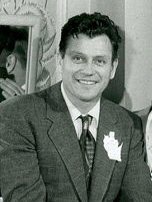 Association. During that time Landy initiated many changes
in his attempt to preserve and enhance the reputation of the
oldest racing organization in the country. Landy loved
Badger and what it stood for. He applied a common sense
approach with a mix of honesty to conquer the challenges
that he faced. Here are a few of the changes implemented by
Landy during his tenure as the President of
Badger.
Association. During that time Landy initiated many changes
in his attempt to preserve and enhance the reputation of the
oldest racing organization in the country. Landy loved
Badger and what it stood for. He applied a common sense
approach with a mix of honesty to conquer the challenges
that he faced. Here are a few of the changes implemented by
Landy during his tenure as the President of
Badger.